Parvo is a very hardy virus that affects both dogs and cats.
In cats, the disease is feline panleukopenia, in Swedish ‘kattpest’ (literally ‘cat plague’). It has nothing to do with what we normally call ‘plague’ in humans (the bacterium Yersinia pestis).
Both dogs and cats suffer severe vomiting and diarrhoea.
In Sweden there are hardly any large outbreaks of severe disease caused by parvo. This is thanks to the availability of effective vaccines and the good vaccination routines established among pet owners here.
Because the virus is so long-lived (it survives for several years in soil) and hard to remove from the environment (both indoors and outdoors), the infection is still present in Sweden. That is why it is very important to keep your animals well vaccinated.
If more people stopped vaccinating in the belief “that the parvovirus must have been wiped out”, the spread of infection would soon increase. Before long, outbreaks would be raging among domestic and feral cats again.
Spread
The virus spreads through contact with faeces, urine, saliva and contaminated objects that the animal gets into its mouth.
People can also spread the virus simply by walking on contaminated soil, which is why indoor cats are also at risk and should be vaccinated!
When an animal becomes infected, it takes about 3 days before it starts shedding the virus itself (shedding continues for several weeks to months).
Signs of disease only appear after the animal has been shedding the virus for a few days. This makes it impossible to stop the spread of infection in advance by isolating infected animals.
Symptoms
As the virus thrives mainly in the intestines, the most common signs are intense vomiting and diarrhoea that is often explosive and sometimes bloody. Besides abdominal pain, general signs of illness such as lethargy, loss of appetite and fever are common.
The illness normally lasts 3–5 days and can in some cases be fatal, due to dehydration and electrolyte imbalances in the blood, even when appropriate intensive care is given.
Sometimes the bone marrow, heart and other tissues and organs are also affected, which can cause further symptoms.
Vaccinated animals can also fall ill, but then only get a mild form with mild symptoms for 1–2 days. The animal then needs rest and a diet that is gentle on the stomach and intestines. Good options are boiled rice, boiled cod, boiled chicken or ready-made special diets from veterinary pet food companies.
Animals that spread the virus without showing symptoms are another problem with parvo, as they are not detected and so cannot be kept isolated. This further contaminates the environment.
Animals without symptoms are particularly risky if they infect a pregnant animal, as the virus can infect the foetuses and cause foetal death and abortion. In kittens that survive, the movement centre in the cerebellum is damaged, causing a permanent movement disorder.
In general, all severe viral infections often cause a shortage of white blood cells, which makes the animal particularly vulnerable to bacterial infections.
Tests can detect the virus in the faeces or antibodies against parvo in the blood, confirming the suspicion raised by the symptoms and the shortage of white blood cells.
Preventive vaccination
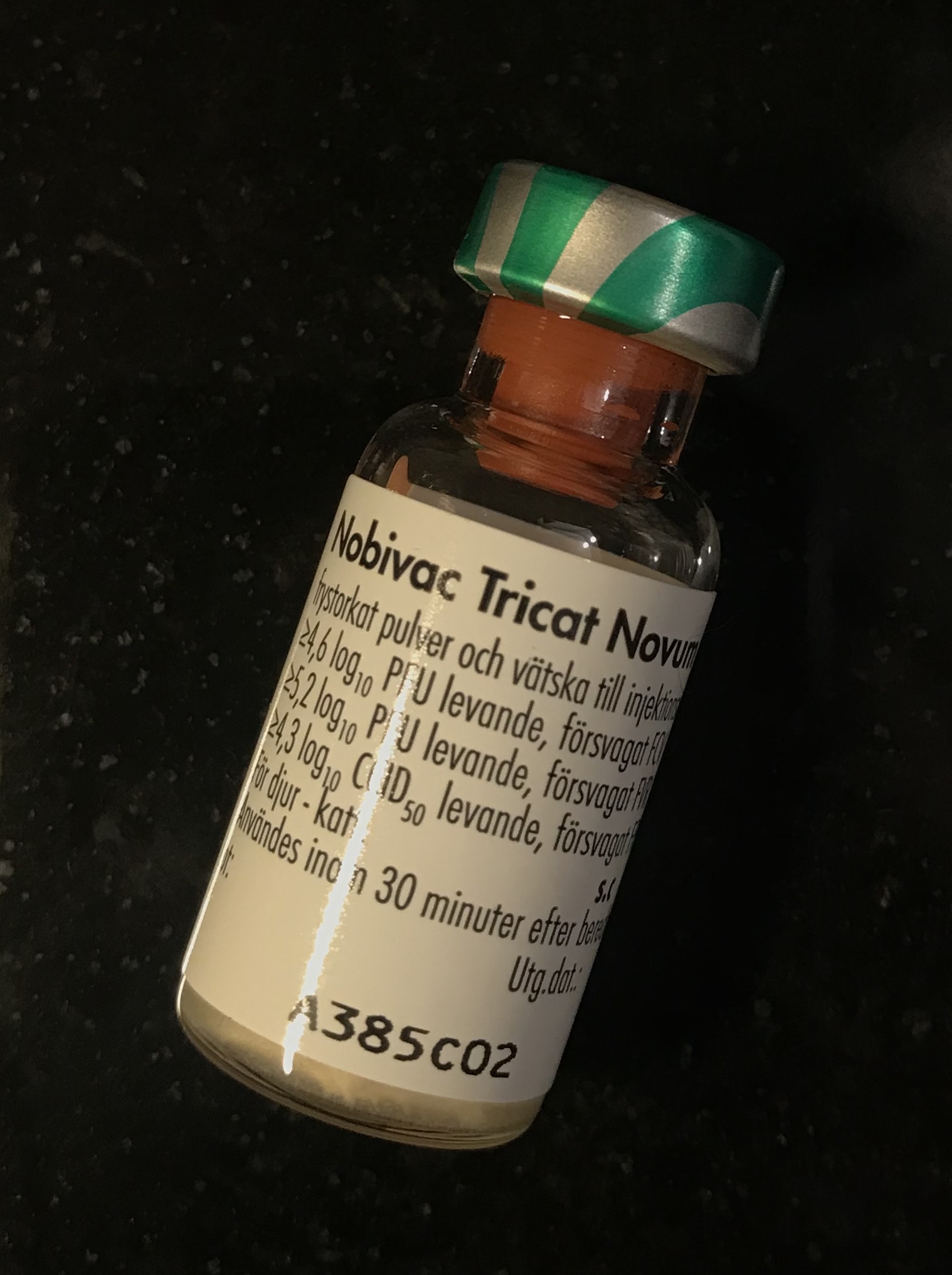
I vaccinate dogs against parvo with Nobivac DHPPi and cats with Nobivac Tricat every three years.
Read more about parvo in dogs and parvo in cats on the website of the Swedish Veterinary Agency (SVA), in Swedish.